US-Iran Tensions Surge as Regional Alliances Shift Dangerously
US-Iran military tensions spike as China deepens air defense ties with Tehran and Turkey's rift with Israel reshapes Middle East alignments.
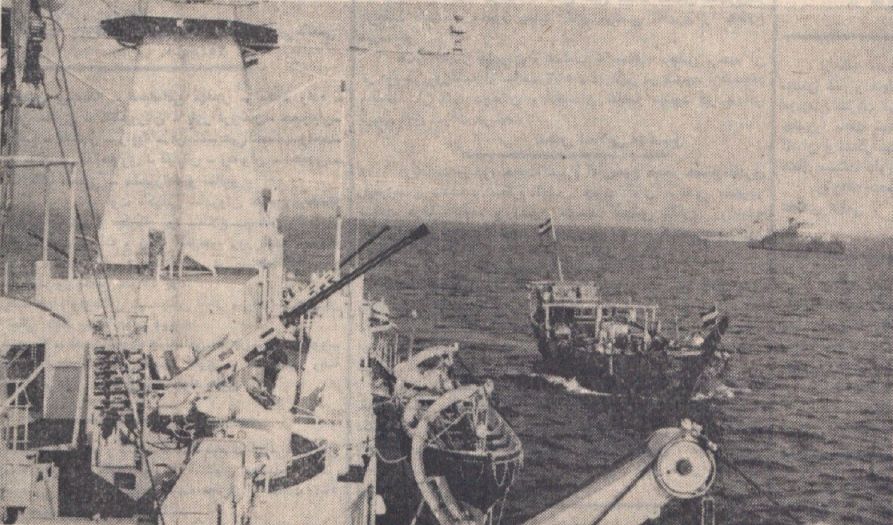
The Middle East doesn’t do slow burns. What started as a familiar pattern of posturing between Washington and Tehran has accelerated into something more structurally dangerous — a convergence of military pressure, shifting alliances, and great-power competition that analysts say hasn’t looked this volatile in years.
War Monitor, which tracks global conflict severity in near-real time, has flagged the US-Iran military conflict cluster at its maximum severity rating of 10, with related subthreads spanning Gaza, the West Bank, an escalating Israel-Turkey diplomatic rupture, and — perhaps most consequentially — a deepening China-Iran air defense partnership. That last development alone would have dominated headlines in any other week.
What Happened
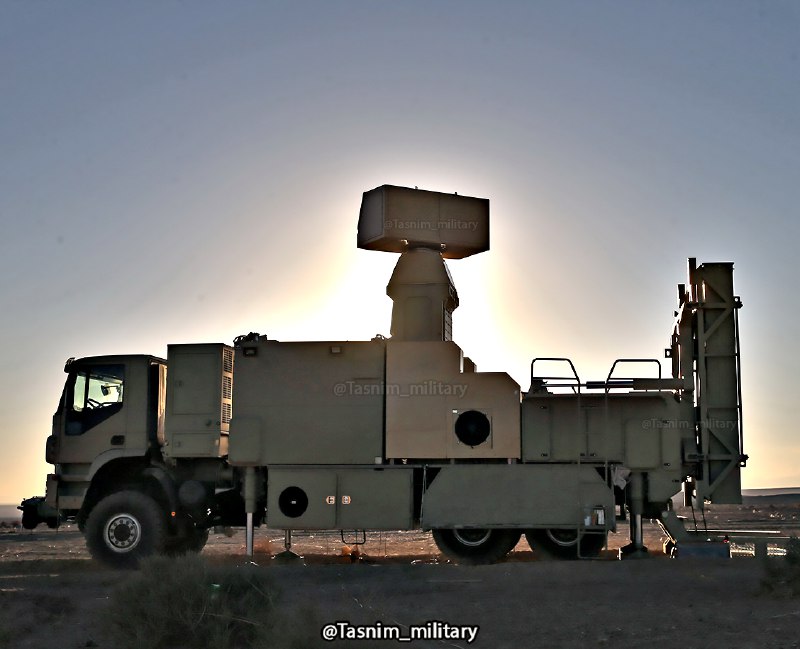 Image: Wikimedia Commons
The current escalation isn’t a single incident. It’s a pressure system — multiple fronts tightening simultaneously.
According to reporting by Reuters and Al Jazeera, US military assets in the region have been repositioned in recent weeks amid intelligence assessments suggesting Iran has accelerated elements of its missile readiness posture. The Biden-era diplomatic channels that briefly tempered tensions have given way to a harder line from both capitals, with Washington reimposing and expanding sanctions packages that Tehran has called acts of economic warfare.
In Gaza and the West Bank, the conflict that erupted in late 2023 continues to grind on with no credible ceasefire framework in place. The BBC has reported sustained military operations in northern Gaza alongside a sharp rise in settler violence in the West Bank, with Palestinian health authorities documenting significant civilian casualties. Israeli officials maintain that ongoing operations target militant infrastructure; Palestinian and UN officials contest that framing, pointing to civilian casualty rates that humanitarian organizations describe as catastrophic.
Meanwhile, Turkey — a NATO member, which makes this doubly complicated — has taken an increasingly adversarial posture toward Israel. What began as President Erdoğan’s rhetorical broadsides has hardened into concrete policy steps, including trade restrictions and diplomatic recalls, according to the Associated Press. Ankara frames this as a principled humanitarian stand; Israel and some Western allies see it as Erdoğan leveraging regional sentiment for domestic political gain.
The thread that ties everything together, and elevates this cluster from “serious” to “watch this carefully,” is the China-Iran air defense cooperation arrangement. Citing intelligence officials and satellite imagery analysis, multiple outlets including Reuters have reported that Beijing has been supplying Tehran with technical assistance — and possibly hardware — aimed at upgrading Iran’s ability to detect and intercept aerial threats. That’s not a minor footnote. It directly complicates any US or Israeli military planning involving Iranian airspace.
Why It Matters
 Image: Wikimedia Commons
Here’s the honest answer to the “so what” question: the simultaneous deterioration of every regional stabilizing mechanism at once is what makes this moment different from previous spikes.
In past escalation cycles — 2019’s Gulf tanker attacks, the 2020 Soleimani killing and Iranian reprisal, the 2022-2023 nuclear deal collapse — there were still functioning diplomatic channels, back-channel communications, or at least agreed-upon red lines that neither side was eager to cross. Right now, multiple analysts quoted by the BBC and Foreign Policy argue that those guardrails look thinner than they have in over a decade.
China’s role deserves particular attention. Beijing has historically played both sides of Middle East tensions — maintaining oil-purchase relationships with Iran while courting Gulf Arab states and avoiding direct military entanglement. Air defense cooperation with Iran breaks from that pattern. It signals either that Beijing calculates it has less to lose from alienating Washington in this region, or that it’s deliberately using Iran as a pressure point in the broader US-China strategic competition. Neither interpretation is comforting.
For the United States, the geometry is brutal. Washington is simultaneously trying to deter Iran, support Israel, manage a NATO ally (Turkey) that is acting in ways contrary to American regional interests, and compete with China — all while domestic political appetite for another Middle Eastern military commitment sits near historic lows, according to polling cited by the Associated Press.
For Iran, the calculus is its own kind of complicated. The Islamic Republic is under severe economic strain from sanctions, facing internal discontent over living standards, and yet its leadership appears to be doubling down on strategic assertiveness rather than seeking accommodation. Whether that’s ideological conviction, a belief that time is on their side, or a calculation that appearing strong domestically requires appearing aggressive externally — probably all three — the effect is the same: less room to de-escalate.
The Bigger Picture
Zoom out, and what you’re watching is a reordering of the Middle East’s strategic geography that has been building since at least 2020.
The Abraham Accords briefly suggested one possible future: Arab-Israeli normalization, a Sunni-led regional order loosely aligned with Washington, and Iran progressively isolated. That vision isn’t dead, but it’s stalled. Saudi Arabia paused its normalization talks with Israel following the Gaza outbreak, according to Reuters, and has not fully resumed them. Gulf states are quietly hedging — maintaining ties with Washington while not closing doors to Beijing or Tehran.
Turkey’s pivot away from Israel further fragments what was never a fully coherent Western-aligned regional bloc. Ankara’s ambitions to position itself as a leading voice for the Muslim world sit uneasily within NATO’s collective security architecture, and Erdoğan has shown consistent willingness to exploit that tension for leverage.
China’s entry into the air defense equation introduces a great-power dimension that transforms what might otherwise be a regional conflict into something with global escalation pathways. A US or Israeli strike on Iranian nuclear or military facilities — already a scenario planners have long gamed out — now carries higher risks if Chinese-supplied systems are involved in the response.
What to Watch
Four indicators will tell you whether this escalation is peaking or still climbing:
Strait of Hormuz shipping data. Iran has historically used the threat of closing or harassing traffic through the Strait as a pressure lever. A spike in insurance rates or rerouting by major tanker operators would signal a serious uptick in threat assessments. Lloyds of London market data and the US Energy Information Administration’s shipping reports are the cleanest real-time signals.
The UN Security Council agenda. If the US, UK, or France move to call an emergency session specifically on Iran — as opposed to the ongoing Gaza discussions — that suggests Western capitals believe the situation has crossed a threshold requiring formal multilateral response.
Turkish-NATO communication. Watch for any signs of formal NATO consultations being requested or denied over Turkey’s posture. An internal alliance dispute of that nature would be significant.
Chinese diplomatic signaling. Beijing rarely moves without telegraphing intent through official statements and People’s Daily commentary. Any softening or hardening of China’s public language around Iran and the US will precede any change in its actual behavior by days or weeks.
The Middle East has a long history of looking like it’s about to explode and then finding a way to step back from the edge. It also has a history of exploding. Right now, the structural conditions for the latter are more present than they’ve been in years. That doesn’t make war inevitable — it makes attention mandatory.
Analysis based on reporting from Reuters, BBC News, the Associated Press, Al Jazeera, and conflict severity data from War Monitor. Conflict tracking data reflects severity assessments as of April 13, 2026.