Strait of Hormuz: How a US-Iran Standoff Could Shock the World
Escalating US-Iran tensions put the Strait of Hormuz at risk. A naval blockade would spike oil prices, threaten supply chains, and draw in China.
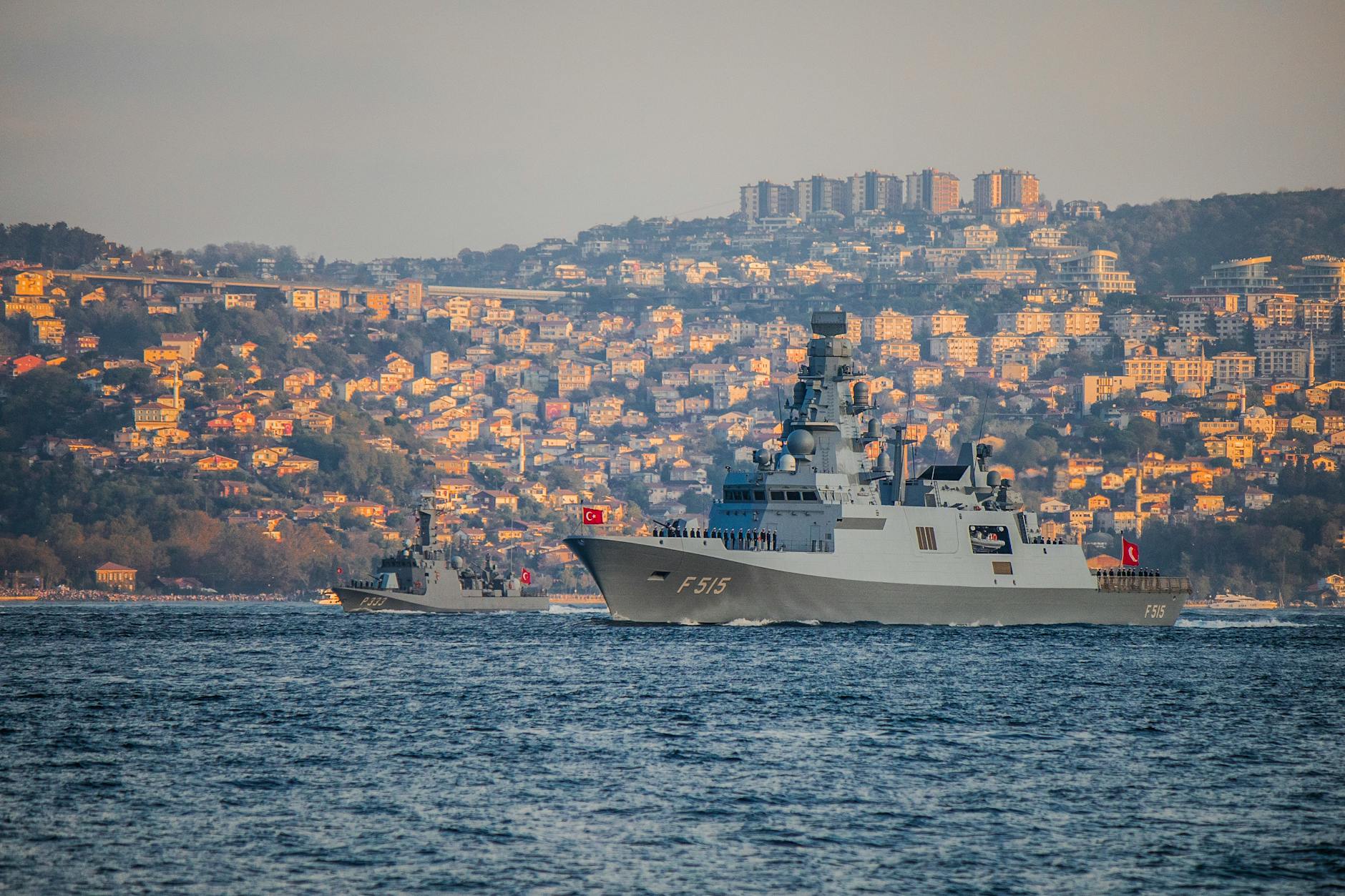
The world’s most important waterway is 21 miles wide at its narrowest point. That’s not much space between the global economy and a catastrophe.
The Strait of Hormuz — the narrow chokepoint separating Iran from the Oman Peninsula — is back at the center of the most dangerous standoff in years. With US-Iran tensions surging and Washington reportedly weighing aggressive naval options, analysts and energy markets are asking the same uncomfortable question: what happens if someone actually pulls the trigger and closes it?
The short answer is that the world probably isn’t ready for it.
What Happened
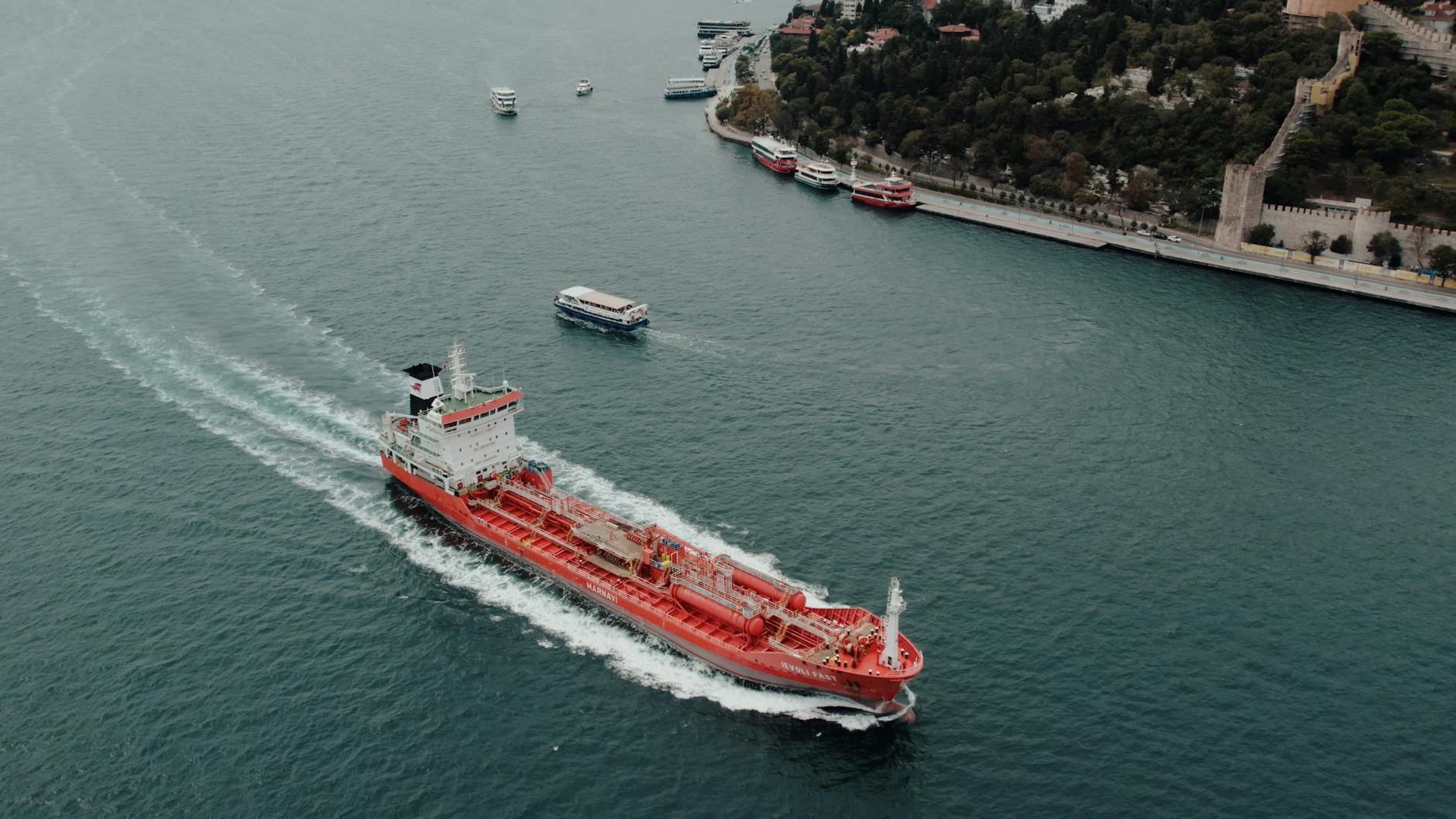 Image: Pexels/Julien Goettelmann
The current escalation has been building for months, but it crossed a new threshold in recent days. According to War Monitor, US-Iran friction has now reached a severity rating analysts classify alongside major armed conflicts — with naval positioning, economic pressure, and diplomatic breakdown converging simultaneously.
The specific scenario drawing the most alarm: a US naval blockade of Hormuz, either as a coercive measure against Iran’s nuclear program or as a response to Iranian provocations in the Gulf. Reports tracked by conflict monitoring services suggest this is no longer purely hypothetical — it’s being discussed as a live operational option in Washington policy circles.
Iran, for its part, has long threatened to close the strait entirely if it faces existential military or economic pressure. Tehran has both the motive and the means: its naval forces, shore-based anti-ship missiles, and mining capabilities give it significant ability to harass or impede tanker traffic even without a formal closure. The question has always been whether it would actually do it — and whether an American first move might force the answer.
Why It Matters
Here’s the number that makes energy analysts lose sleep: according to the US Energy Information Administration, roughly 21 million barrels of oil per day transit the Strait of Hormuz — approximately 20% of global petroleum liquids consumption. There is no realistic alternative route that can absorb anything close to that volume quickly enough to prevent a supply shock.
A blockade — or even a credible threat of one severe enough to spook tanker operators and insurers — would send oil prices into territory that most economies haven’t planned for. The ripple effects wouldn’t be subtle. Fuel costs spike. Shipping costs spike. Food prices, which track energy costs closely, spike. Central banks already managing stubborn inflation would face a brutal dilemma between hiking rates into a slowdown or letting prices run.
The last time a major Hormuz disruption was seriously priced into markets, oil briefly touched levels that tipped several developing economies into crisis — and that was a comparatively minor incident.This time, the context is worse. Global energy markets entered 2026 already tight, with spare production capacity limited and strategic petroleum reserves in the US and Europe drawn down from previous crises. There is no comfortable buffer.
The Bigger Picture
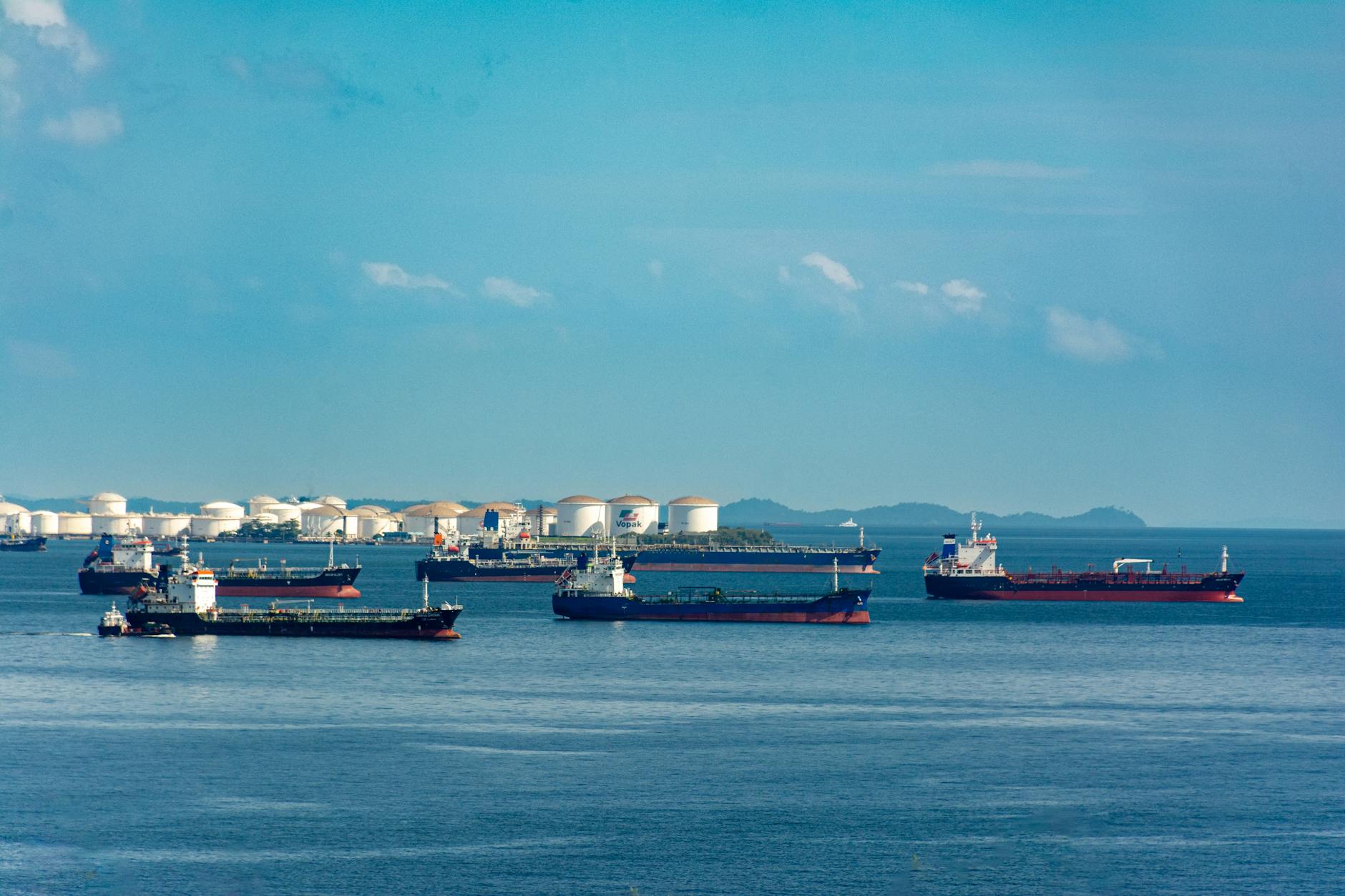 Image: Pexels/Zifeng Xiong
The dimension that elevates this from a bilateral US-Iran confrontation to a potential great-power crisis is China.
Beijing imports more oil from the Gulf than any other country, and a significant portion of that supply moves through Hormuz. A US naval blockade wouldn’t just be a message to Tehran — it would be a direct economic chokehold on Chinese industry and energy security. China’s leadership has consistently treated energy security as a core national interest, and has deepened military and economic ties with Iran precisely to hedge against scenarios like this one.
The Council on Foreign Relations and other strategic analysts have flagged for years that a Hormuz confrontation is one of the few scenarios where Chinese and American military interests could come into direct collision. Beijing would face an impossible choice: accept the blockade and watch its economy suffer, or intervene — diplomatically, economically, or militarily — and risk a confrontation with Washington that neither side claims to want.
Neither Iran nor the US is operating in a vacuum here. China’s posture will shape how far each side is willing to push.
It’s also worth noting the asymmetry of risk. The US economy, while exposed to oil price shocks, is a net energy exporter. Iran’s economy is already crippled by sanctions. But Tehran’s strategists have always understood that their leverage isn’t winning a conventional war — it’s the credible threat of making a crisis cost everyone else more than it costs Iran. The strait is that threat, embodied in geography.
What to Watch
Several indicators will tell you how serious this is getting before it becomes impossible to ignore:
Insurance and shipping rates. War-risk insurance premiums for Gulf tankers are the canary in the coal mine. When underwriters start pricing in serious interdiction risk, operators start rerouting or sitting out. That’s the first economic signal you’ll see.
US carrier group positioning. The Pentagon doesn’t deploy carrier strike groups for show alone. Watch where USS assets are being moved and whether additional naval assets are flowing into the Fifth Fleet’s area of responsibility based in Bahrain.
Chinese diplomatic activity. If Beijing starts making high-level calls to both Washington and Tehran simultaneously, it suggests they’re taking the escalation seriously enough to try to manage it. That’s not reassurance — it’s a signal that the risk calculus is shifting.
Iranian parliamentary and IRGC rhetoric. Iran’s Islamic Revolutionary Guard Corps has operational control over the strait-interdiction mission. When IRGC commanders start making specific public statements — not just general threats — about closing Hormuz, that’s an operational message dressed in political language.
Saudi and UAE positioning. The Gulf monarchies have their own exposure here. Their pipelines — particularly the East-West Pipeline through Saudi Arabia — offer some bypass capacity, but nowhere near enough. If Riyadh starts making emergency calls to Washington, they’re worried.
The Strait of Hormuz has been called the world’s most important oil chokepoint so often that the phrase has lost its punch. But the numbers behind it haven’t changed. One-fifth of the world’s oil. No viable alternative at scale. An adversary with genuine interdiction capability. A great-power triangle with no clean exits.
This is the scenario that energy security planners have been modeling for decades, hoping they’d never actually have to use the plans.
Sources: War Monitor conflict tracking dashboard; US Energy Information Administration Hormuz fact sheet; Reuters coverage of US-Iran naval developments; Council on Foreign Relations Gulf security analysis.