Reframing COVID Vaccines as Freedom May Boost Uptake in Older Adults
New research finds vaccine-hesitant older adults respond better to autonomy-based messaging than government-compliance framing for COVID-19 shots.
Overview
COVID-19 continues to pose a disproportionate threat to older adults worldwide, yet vaccination rates in this demographic have stalled in many countries, undermined not by lack of access but by hesitancy. A new behavioral study released in early April 2026 adds a concrete, evidence-based tool to the public health toolkit: the language used to describe vaccines may matter as much as the vaccines themselves.
According to research highlighted by the Center for Infectious Disease Research and Policy (CIDRAP), vaccine-hesitant older adults were measurably more willing to consider hypothetical COVID-19 immunization when messaging emphasized personal freedom and autonomy — the ability to live life on their own terms — compared to messaging that framed vaccination as compliance with government guidance. The finding is modest in scope but significant in implication, touching on a persistent challenge that health communicators have struggled with since the earliest days of COVID-19 vaccine rollout.
Current Situation
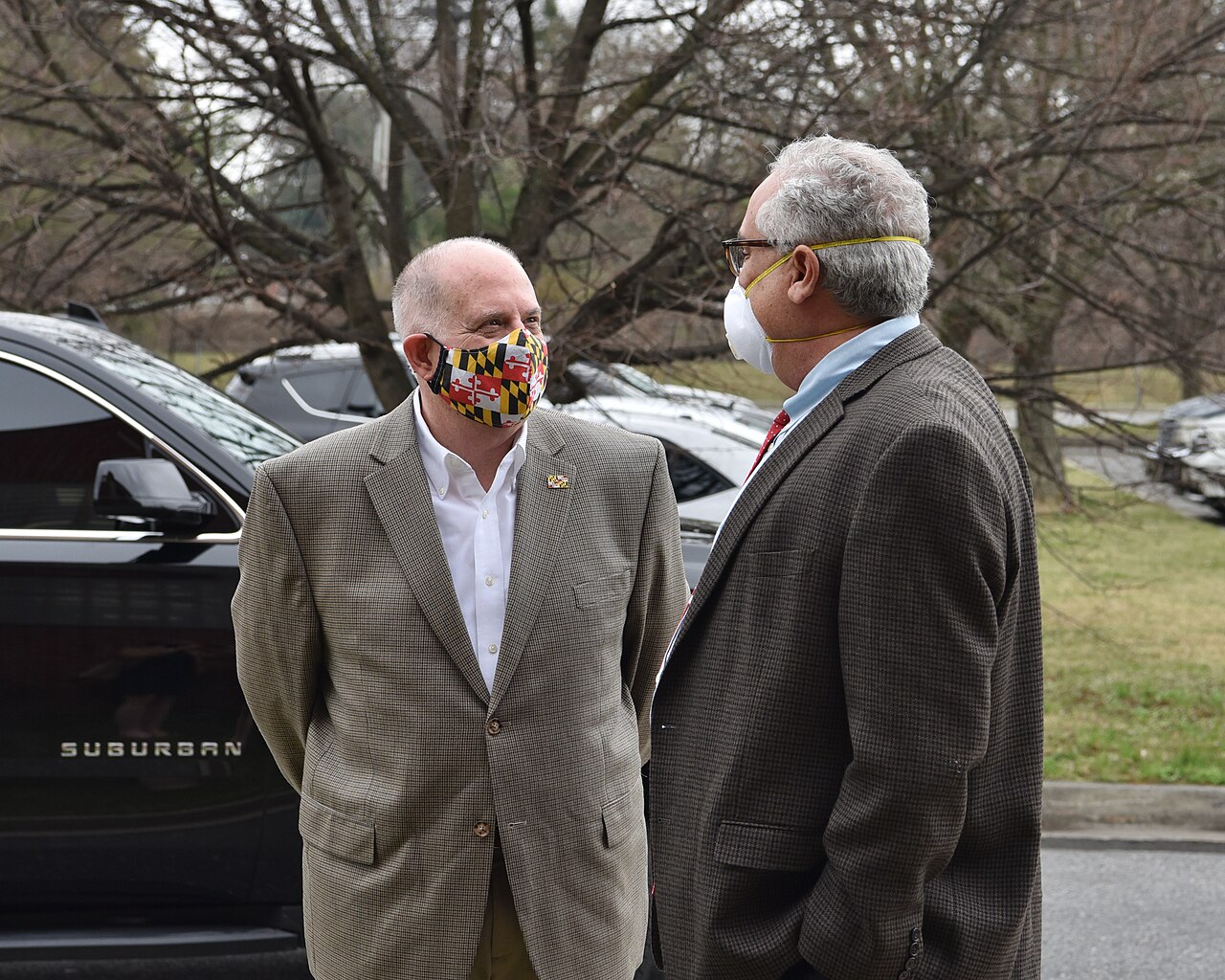
 Image: Wikimedia Commons
While this study does not report traditional outbreak metrics such as case counts or fatality rates, it emerges against a backdrop of ongoing COVID-19 circulation across the Northern Hemisphere. Seasonal waves continue to register in surveillance data from Europe, North America, and parts of Asia, with older adults — particularly those over 65 — remaining the population most likely to experience severe illness, hospitalization, and death.
Vaccination coverage among older adults in many high-income countries has declined significantly from the peaks seen during the 2021–2022 primary series rollout. Booster uptake, in particular, has proven difficult to sustain. Health agencies including the World Health Organization (WHO) and the U.S. Centers for Disease Control and Prevention (CDC) have repeatedly flagged this gap as a key driver of preventable COVID-19 mortality. The new messaging research directly addresses the behavioral inertia behind these numbers.
The study itself focused on hypothetical vaccine acceptance — meaning participants were asked how they would respond to a vaccine scenario, not whether they had actually received one. This is a standard methodology in behavioral health research, though its real-world predictive power carries caveats that the researchers themselves likely acknowledge.
Affected Regions
The study did not target a specific geographic outbreak or region. Its findings are globally relevant, given that vaccine hesitancy among older adults is documented across diverse political and cultural contexts — from rural communities in the United States to urban populations in Western Europe and beyond.
Hesitancy in this demographic is not monolithic. Research has consistently shown that older adults who express reluctance toward COVID-19 vaccines often differ from younger hesitant groups in their motivations. Concerns about government overreach, distrust of rapidly developed pharmaceuticals, and a sense that mandates or strong recommendations infringe on personal agency are particularly prevalent among this cohort. These psychological profiles make the “freedom framing” finding especially relevant: it speaks directly to the values that drive hesitancy rather than attempting to override them with authority-based appeals.
Countries with aging populations and relatively low booster coverage — including Japan, Germany, Italy, and the United States — stand to benefit most from evidence-based revisions to public vaccination communication.
Risk Assessment
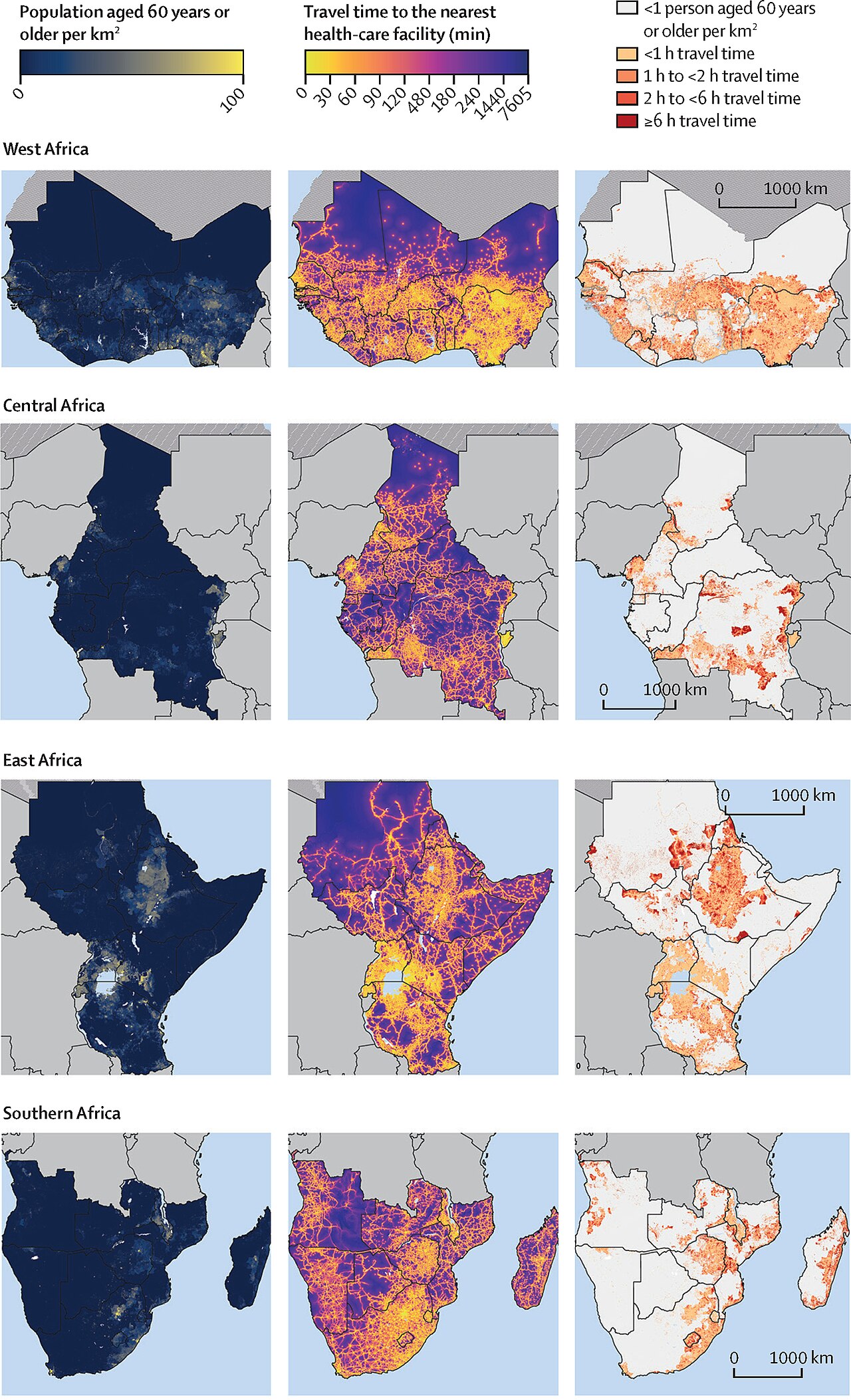 Image: Wikimedia Commons
The elevated risk profile of older adults in relation to COVID-19 is well established and has not diminished with the emergence of newer variants. Adults aged 65 and over continue to account for the substantial majority of COVID-19 hospitalizations and deaths in countries with robust surveillance systems, even as overall population-level severity has moderated compared to earlier pandemic phases.
Persistent low booster coverage in older adults represents one of the most consequential and addressable gaps in current COVID-19 prevention strategy.The behavioral dynamics revealed by this study are not surprising in isolation — autonomy-supportive communication is a well-documented principle in health psychology — but their specific application to COVID vaccine messaging for older adults fills a gap in the evidence base. Prior messaging research in this space has tended to focus on younger demographics or on addressing misinformation rather than reframing the emotional and values-based dimensions of the decision.
Vaccine hesitancy in older adults carries compounding risks. This population is more likely to have comorbidities that amplify COVID-19 severity, less likely to have robust immune responses to infection alone, and more likely to transmit the virus to other vulnerable individuals in care settings or multigenerational households. A marginal increase in vaccination willingness, scaled across millions of eligible adults, could translate to meaningful reductions in severe outcomes.
The study’s use of hypothetical scenarios is worth flagging as a limitation. Stated preferences in survey research do not always map cleanly onto real-world behavior. However, the directional finding — that autonomy framing outperforms compliance framing — is consistent with a broader literature on motivational interviewing and patient-centered health communication.
Prevention & Response
The practical implication of this research is actionable for public health communicators, healthcare providers, and policymakers developing vaccination outreach programs.
Traditional vaccine promotion materials have often leaned on social obligation, community protection, or government endorsement as their primary appeals. Phrases like “do your part,” “follow the latest guidance,” or “recommended by health authorities” may inadvertently trigger resistance in individuals who are already primed to be skeptical of institutional authority. The study suggests that reorienting messaging around what vaccines enable — the ability to travel, visit family, attend events, and maintain independence — may be a more effective entry point for hesitant older adults.
This aligns with broader shifts in motivational interviewing practice, where clinicians are trained to explore a patient’s own goals and values rather than delivering directives. Translated to public health campaigns, it means leading with questions like: What would you do if you stayed healthy this winter? rather than The CDC recommends you get your booster.
Healthcare providers play a particularly important role here. Research consistently shows that a trusted physician’s recommendation remains one of the strongest predictors of vaccine uptake. But the how of that recommendation matters. A provider who frames the vaccine as “what you should do” may be less effective than one who frames it as “something that could protect your ability to keep doing what you love.”
Public health agencies have not yet issued formal guidance revisions based on this specific study, and it would be premature to overhaul national campaigns on the basis of a single finding. However, CIDRAP’s decision to highlight the research reflects a growing recognition within the field that behavioral science must be integrated more systematically into vaccine promotion strategy — not just for COVID-19, but for influenza, RSV, and other pathogens that disproportionately burden older populations.
Going forward, the priority for researchers and communicators alike will be testing autonomy-framed messaging in real-world contexts — not just hypothetical surveys — and measuring its effect on actual vaccination rates across different demographic subgroups and geographic settings.
Sources
- CIDRAP – Center for Infectious Disease Research and Policy: “Describing vaccines in terms of freedom can lead some hesitant older adults to accept COVID shots, study finds.” Published April 2, 2026. https://www.cidrap.umn.edu/adult-non-flu-vaccines/describing-vaccines-terms-freedom-can-lead-some-hesitant-older-adults-accept