Hormuz on the Brink: What a US-Iran Standoff Means for the World
A potential US naval blockade of the Strait of Hormuz could spike global oil prices and pull China into direct confrontation with Washington.
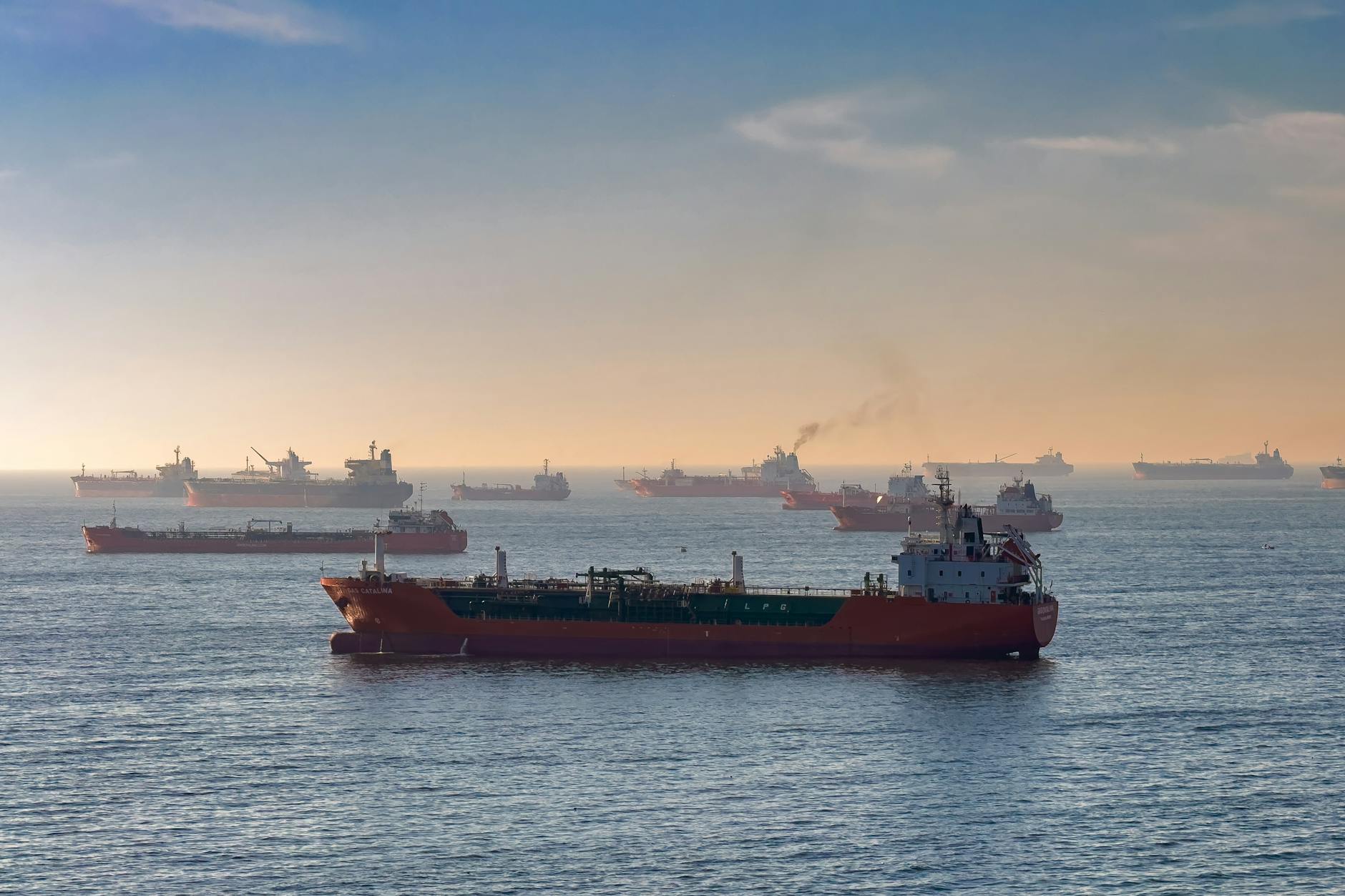
There’s a 21-mile-wide bottleneck between Iran and Oman that keeps the lights on across Asia, fuels European industry, and powers much of the developing world. Right now, according to War Monitor, that bottleneck is at the center of the most dangerous US-Iran standoff in years — and the consequences of getting it wrong extend far beyond the Persian Gulf.
What Happened
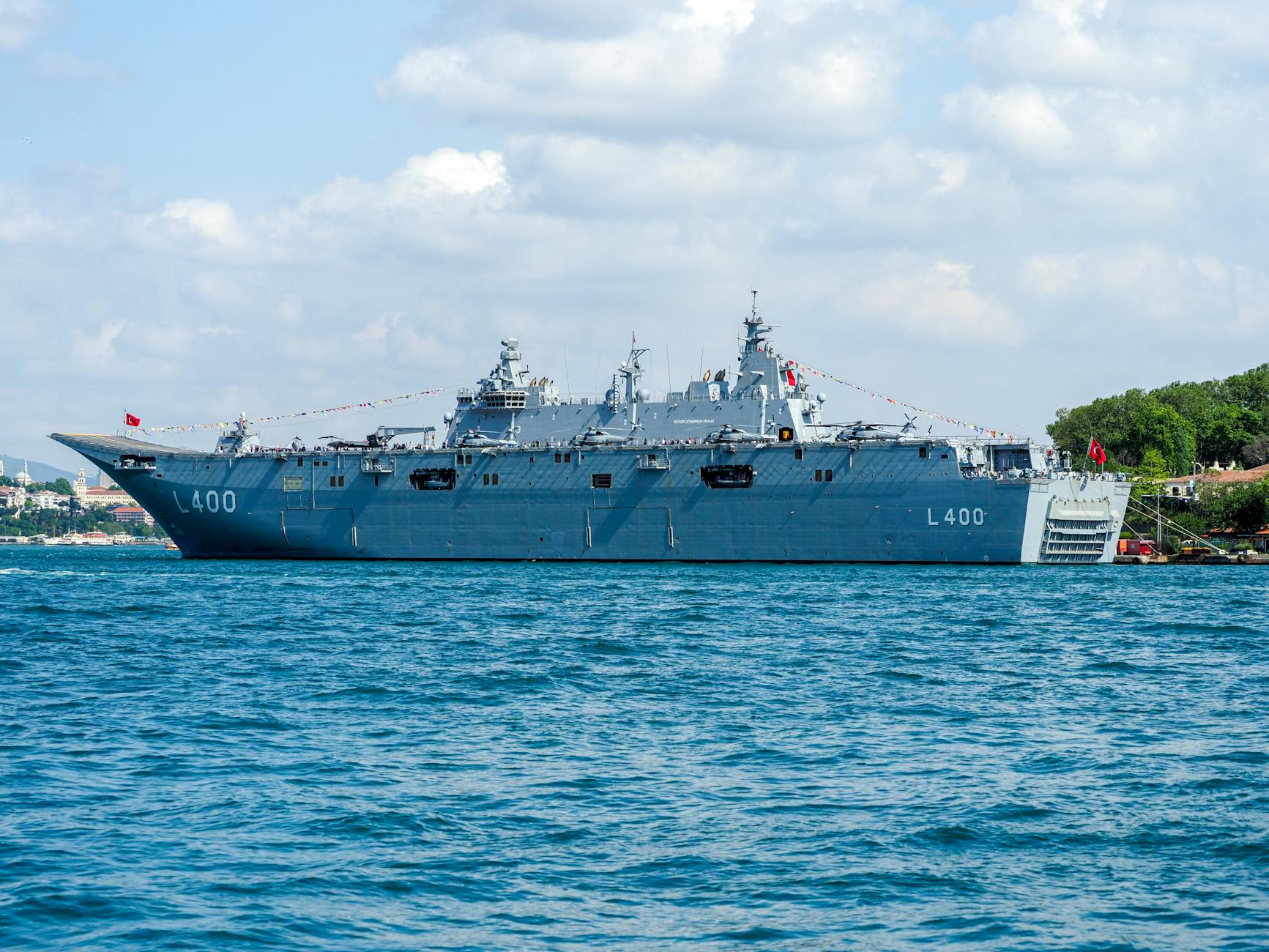 Image: Pexels/Abdurahman Yarichev
The crisis has been building for months, but the calculus shifted dramatically this week. Washington is now openly weighing a naval blockade of the Strait of Hormuz as a pressure mechanism against Tehran — a move that would effectively shut down one of the planet’s most critical energy arteries, according to reporting tracked by War Monitor on April 13.
The immediate trigger is a familiar one: Iranian nuclear enrichment. US intelligence assessments, cited by multiple outlets including Reuters, suggest Iran has continued to advance its uranium enrichment program beyond the thresholds agreed under the 2015 JCPOA, which Washington formally abandoned years ago. Diplomatic backchannels have reportedly stalled, and the Trump administration has signaled that maximum pressure — military pressure included — is back on the table.
A naval blockade would mean US warships physically interdicting tanker traffic through the strait, preventing Iranian oil exports and potentially blocking third-party vessels carrying Iranian crude. That’s the theory. The practice is considerably messier.
Iran’s position has not been passive. Tehran has long threatened that any attempt to block Iranian exports would result in closure of the strait to all traffic — a threat backed by missile batteries, fast-attack boats, and naval mines that the Islamic Revolutionary Guard Corps Navy has spent two decades positioning for exactly this scenario. Iranian officials reiterated that position this week.
Why It Matters
Here’s the number that stops every energy economist cold: roughly 20% of global oil supply — somewhere between 17 and 21 million barrels per day, depending on the accounting — transits the Strait of Hormuz. There is no realistic alternative route that absorbs that volume. The Saudi East-West pipeline can handle a fraction of it. Everything else is geography.
If tanker traffic halts — whether through US interdiction, Iranian retaliation, or the simple fact that shipping insurers pull coverage from a war zone — the world faces an energy shock with no modern precedent. Bloomberg analysts have modeled scenarios where Brent crude surges past $150 per barrel within days of a full closure. Some models go higher.
For context, the 1973 Arab oil embargo — a partial, politically motivated supply cut — triggered a global recession. A Hormuz closure would be faster, broader, and harder to negotiate out of.
The human dimension is just as stark. Countries like Japan, South Korea, India, and most of Southeast Asia import the overwhelming majority of their oil through the strait. These aren’t marginal economies on the periphery of the global system — they are the manufacturing backbone of the world. Energy rationing, industrial slowdowns, and cascading unemployment would follow within weeks.
The Bigger Picture
This is where the situation moves from serious to genuinely dangerous. China imports roughly 40% of its oil through the Strait of Hormuz, and Beijing has made no secret of how it views US military dominance in the Persian Gulf — as a strategic threat to its own energy security.
Al Jazeera and Reuters have both reported in recent weeks that Chinese diplomatic channels have been unusually active with Tehran. Beijing’s calculus here is not ideological. It is coldly practical: if Washington can strangle Iranian oil exports today, it can strangle Chinese energy imports tomorrow. That is an existential concern for a government whose legitimacy rests heavily on economic growth.
The risk of US-China confrontation over a Hormuz blockade is not hypothetical. Chinese naval vessels have operated in the Indian Ocean and Gulf of Aden with increasing regularity. If Beijing decides that protecting Iranian tankers — or simply ensuring its own supply lines — requires a naval presence in the strait, American warships will face a direct challenge from the world’s second-largest military.
It’s worth presenting the US argument clearly: Washington contends that maximum pressure, including the credible threat of military action, is the only language Tehran understands on nuclear issues. Proponents argue that a blockade, or even its credible threat, could force Iran back to the negotiating table faster than another decade of sanctions. The calculation is that short-term pain — even a price spike — is preferable to a nuclear-armed Iran.
The counterargument, advanced by most European allies and Gulf states privately briefed on US planning, is that the escalation risk is unmanageable. A blockade does not guarantee Iranian capitulation. It may instead lock Tehran into a fight-or-lose dynamic where escalation becomes the only rational choice. Iran’s leadership has survived sanctions, assassinations, and proxy defeats. It is not obviously deterred by economic pain.
There’s also the question of Saudi Arabia and the Gulf states. Riyadh depends on Hormuz as much as anyone. A conflict that closes the strait doesn’t spare Saudi oil exports — it wrecks them. Gulf Cooperation Council members have privately urged restraint, according to diplomatic sources cited by Reuters, even as some publicly maintain solidarity with Washington’s broader Iran policy.
What to Watch
The next 72-96 hours will be clarifying. Several indicators are worth tracking closely:
Oil futures markets will be the first to move on any credible signal of escalation. A sustained spike in Brent crude above $120 — not a momentary flutter, but a sustained move — suggests the market is pricing in real blockade risk.
Chinese diplomatic signaling matters enormously. Watch for any public statement from Beijing’s Foreign Ministry or People’s Liberation Army Navy that moves beyond standard boilerplate about “sovereignty” and “peaceful navigation.” Any hint of a naval response or a formal security commitment to Iran changes the game.
Iranian IRGC Navy activity in the strait itself. Increased patrol density, fast-boat drills, or any interdiction of third-party shipping would indicate Tehran is preparing its own counter-move rather than waiting for the US to act first.
European reaction will tell you how isolated Washington is in this approach. If Berlin, Paris, and London issue joint statements distancing themselves from a blockade strategy, the diplomatic costs for Washington rise considerably.
Gulf Arab statements — specifically from Saudi Arabia and the UAE — will signal whether the region’s key US partners are prepared to absorb the economic damage a conflict brings, or whether they’re quietly lobbying against it.
Finally, watch the UN Security Council. Any attempt to frame this through international law — blockades are legally complex acts of war under the UN Charter — would go there first, and China and Russia’s response will define the diplomatic terrain.
The Strait of Hormuz has survived wars, revolutions, and tanker conflicts before. But the combination of US-Iran nuclear brinkmanship, Chinese energy dependence, and a global economy already stressed by years of supply disruptions makes this moment different in degree if not in kind. The margin for error is thin, and the people making the decisions know it.
Analysis based on War Monitor threat assessments (April 13, 2026), Reuters diplomatic coverage, Bloomberg Energy modeling, and Al Jazeera regional reporting.