Chikungunya Spreads Globally as ECDC Intensifies Monthly Surveillance
ECDC tracks chikungunya's worldwide expansion as the mosquito-borne virus establishes footholds across the Americas, Asia, and parts of Europe.
Overview
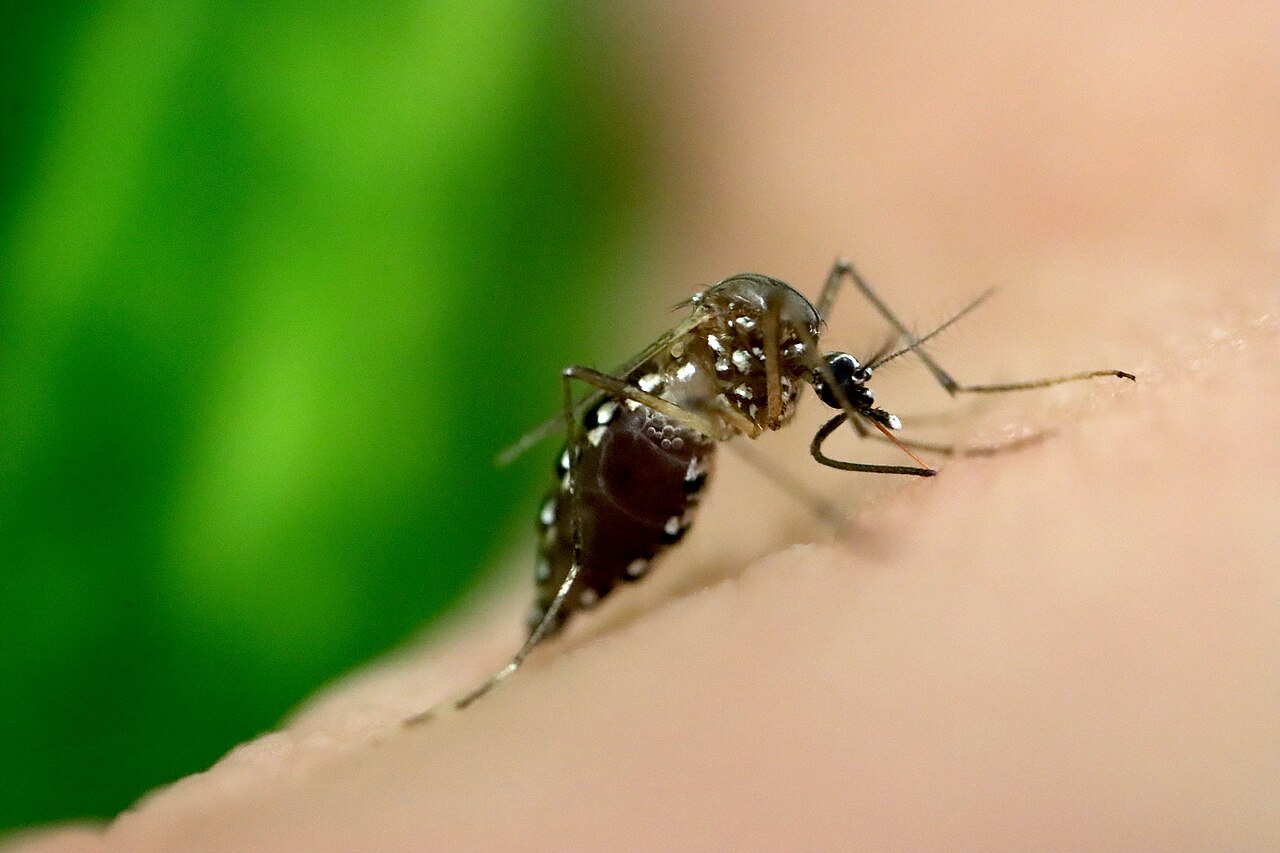
Chikungunya virus disease has transitioned over the past two decades from a regionally confined tropical illness into a genuinely global public health concern. Originally identified in Tanzania in 1952 and long considered endemic to parts of sub-Saharan Africa and South Asia, the virus has exploited the global spread of its primary mosquito vectors — Aedes aegypti and Aedes albopictus — to establish transmission in the Americas, island territories of the Indian Ocean, Southeast Asia, and, alarmingly, parts of southern Europe.
The European Centre for Disease Prevention and Control (ECDC) now publishes a dedicated monthly epidemiological update on chikungunya as part of its Communicable Diseases Threat Report — a practice that reflects how seriously European public health authorities regard the virus’s expanding geographic range. This rolling surveillance effort tracks not only imported cases arriving in Europe but also the evolving transmission picture across endemic and newly affected regions worldwide.
The disease itself is rarely fatal — chikungunya’s case fatality rate is estimated at well below 1% in most outbreak settings — but its name, derived from the Makonde language and meaning “to become contorted,” signals its primary burden: an acute onset of high fever accompanied by severe, often symmetrical joint pain that can be genuinely incapacitating. A significant minority of patients develop persistent arthralgia lasting months or even years, producing a chronic disease burden that aggregate mortality statistics do not capture.
Current Situation
 Image: Wikimedia Commons
The ECDC’s ongoing monthly reporting reflects a transmission landscape that has been persistently active across multiple continents. In the Americas, Brazil has borne the heaviest burden in recent years and continues to report the largest absolute case counts globally, with cumulative figures in the hundreds of thousands annually during peak seasons. Neighboring countries including Paraguay, Argentina, and Bolivia have reported significant outbreak activity, and transmission has been documented as far north as Central America and the Caribbean, where island populations with limited healthcare infrastructure face heightened vulnerability.
In Asia, India remains a major source of both endemic transmission and periodic large-scale outbreaks, particularly in southern and western states where vector density is high and surveillance infrastructure, while improving, remains uneven. Bangladesh, the Philippines, Thailand, and other Southeast Asian nations maintain endemic transmission with seasonal amplification tied to monsoon cycles that create ideal Aedes breeding conditions.
The importation of chikungunya into Europe has been documented with increasing frequency, primarily among travelers returning from endemic regions. However, the more significant concern for European public health authorities is the establishment of Aedes albopictus — the tiger mosquito — across southern and central Europe. Local transmission events, where imported cases seed onward spread through established local mosquito populations, have been confirmed in Italy and France, transforming chikungunya from a traveler’s illness into a potential European public health threat during warm months.
Affected Regions
The global distribution of chikungunya broadly mirrors the range of its two principal vectors. Aedes aegypti, the more efficient transmission vehicle, is concentrated in tropical and subtropical zones — the Americas from Brazil northward through Central America and the Caribbean, sub-Saharan Africa, South Asia, and Southeast Asia. Aedes albopictus, more cold-tolerant and adaptable, has colonized Mediterranean Europe, parts of North America, and temperate zones in Asia, creating potential transmission corridors far beyond the tropics.
The Indian Ocean islands — Réunion, Mauritius, the Maldives, and the Seychelles — have experienced severe outbreaks historically and remain endemic. East Africa, particularly Kenya, Tanzania, and the Horn of Africa, sees recurrent transmission, though surveillance capacity in the region means case counts may significantly underrepresent true burden.
In the Western Hemisphere, the 2013–2014 Caribbean introduction marked a turning point: within months of first detection in Saint Martin, the virus spread to dozens of island territories and rapidly reached mainland Americas. That initial expansion seeded endemic transmission cycles that continue to this day. Populations in tropical regions with high Aedes density and limited vector control capacity remain at greatest sustained risk of large-scale outbreak activity.
Europe’s risk profile is seasonal and geographically concentrated. During summer and early autumn, when Aedes albopictus is active in Mediterranean countries, conditions exist for local amplification of imported cases. The ECDC has specifically flagged this window as a period of elevated vigilance, and its monthly reporting cadence is explicitly designed to inform national health authorities about circulating strains and outbreak locations that could seed importations.
Risk Assessment
 Image: Wikimedia Commons
WHO classifies chikungunya as a priority pathogen given its demonstrated pandemic potential, the absence of universally accessible therapeutics, and its capacity to overwhelm health systems during large outbreaks. The overall global risk to the general population is considered moderate, but that assessment carries important caveats.
Vulnerable populations face substantially elevated risk. Neonates born to viremic mothers can acquire infection perinatally, with severe outcomes including encephalopathy. Older adults and individuals with underlying comorbidities — cardiovascular disease, diabetes, joint conditions — face higher rates of severe acute disease and are more likely to develop persistent post-chikungunya arthritis syndrome, which can last from several months to several years after acute infection resolves.
Immunologically naive populations entering endemic zones — travelers, migrant workers, tourists — carry no prior immunity and are highly susceptible during the acute phase of new outbreaks in regions where the virus has not previously circulated. Attack rates during explosive outbreaks in susceptible communities have been documented at 30–75% of exposed individuals.
Transmission dynamics are non-human: chikungunya does not spread person to person but requires an intermediary Aedes mosquito bite. This makes control theoretically achievable through vector management, but in practice, eliminating Aedes breeding sites in densely populated tropical urban environments is extraordinarily difficult.
Prevention & Response
The prevention toolkit for chikungunya has historically relied on personal protective measures and community-level vector control, given the long absence of licensed vaccines. That changed in 2023 when the U.S. Food and Drug Administration approved Ixchiq (developed by Valneva), a live-attenuated single-dose chikungunya vaccine for adults aged 18 and older. This represents a meaningful development, particularly for protecting travelers to high-risk regions, though broad population-level deployment in endemic low- and middle-income countries faces familiar access and cost barriers.
Individual protective measures remain the cornerstone of prevention: long-sleeved clothing, EPA-approved insect repellents containing DEET, picaridin, or IR3535, bed nets treated with permethrin, and elimination of standing water in and around homes to remove Aedes breeding habitat. These measures are effective but demand consistent behavior change that is difficult to sustain over long outbreak periods.
Community-level response during outbreaks typically involves organized vector control operations — indoor residual spraying, outdoor fogging, larviciding of water bodies — alongside public health communications campaigns. WHO provides technical guidance and surge support to affected countries through its Health Emergencies Programme, and ECDC coordinates closely with national health authorities in EU member states to track imported cases and assess local transmission risk.
The ECDC’s commitment to monthly global chikungunya surveillance reporting is itself a public health intervention. By maintaining a continuous, openly published epidemiological picture, it enables European clinicians to consider chikungunya in the differential diagnosis for febrile returning travelers, supports national vector control planning ahead of summer mosquito seasons, and provides early warning when new strains or geographic expansions emerge that might alter the European risk profile.
Healthcare providers in endemic and at-risk regions should maintain familiarity with chikungunya’s clinical presentation — acute fever with severe joint pain, often accompanied by rash — as it can be confused with dengue, which shares vectors and geographic range. Definitive diagnosis requires laboratory confirmation through RT-PCR during the acute phase or serology in later illness.
Sources
- European Centre for Disease Prevention and Control (ECDC) — Chikungunya Monthly Worldwide Overview. Published March 30, 2026. ecdc.europa.eu