Cabo Verde Travel Outbreak Tops 1,000 Cases Across Three Continents
Shigellosis linked to Cabo Verde travel has crossed 1,000 cases in the EU, UK, and US, while flu season winds down and nursing home antiviral data emerge.
Overview
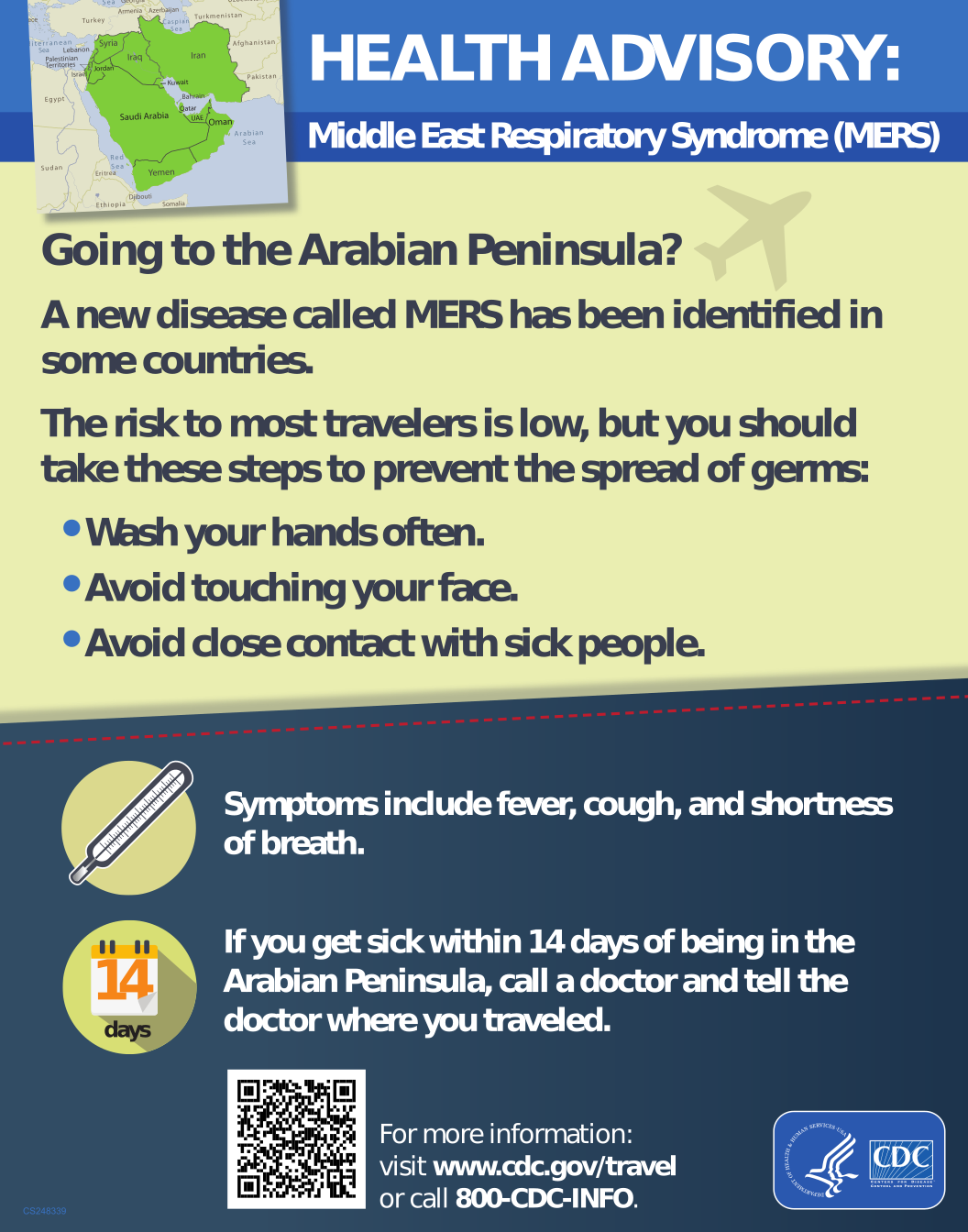
A multinational gastrointestinal outbreak linked to travel to Cabo Verde, the Atlantic archipelago nation off the coast of West Africa, has now eclipsed 1,000 confirmed and possible cases across the European Union, the United Kingdom, and the United States. The cluster, dominated by shigellosis but also encompassing salmonellosis and other enteric infections, represents one of the more significant travel-associated outbreak events recorded in recent months — and cases continue to be reported as of mid-April 2026.
Meanwhile, the Northern Hemisphere’s influenza season is showing credible signs of winding down, though public health officials are cautioning against complacency after a string of pediatric fatalities. New research on antiviral speed and coverage in nursing homes offers a practical lesson for managing future institutional outbreaks. And a broader set of developments — from a novel sedative adulterant appearing in New York’s drug supply to a proposed $5 billion cut to the NIH budget — underscore a public health environment under simultaneous biological and institutional strain.
Current Situation
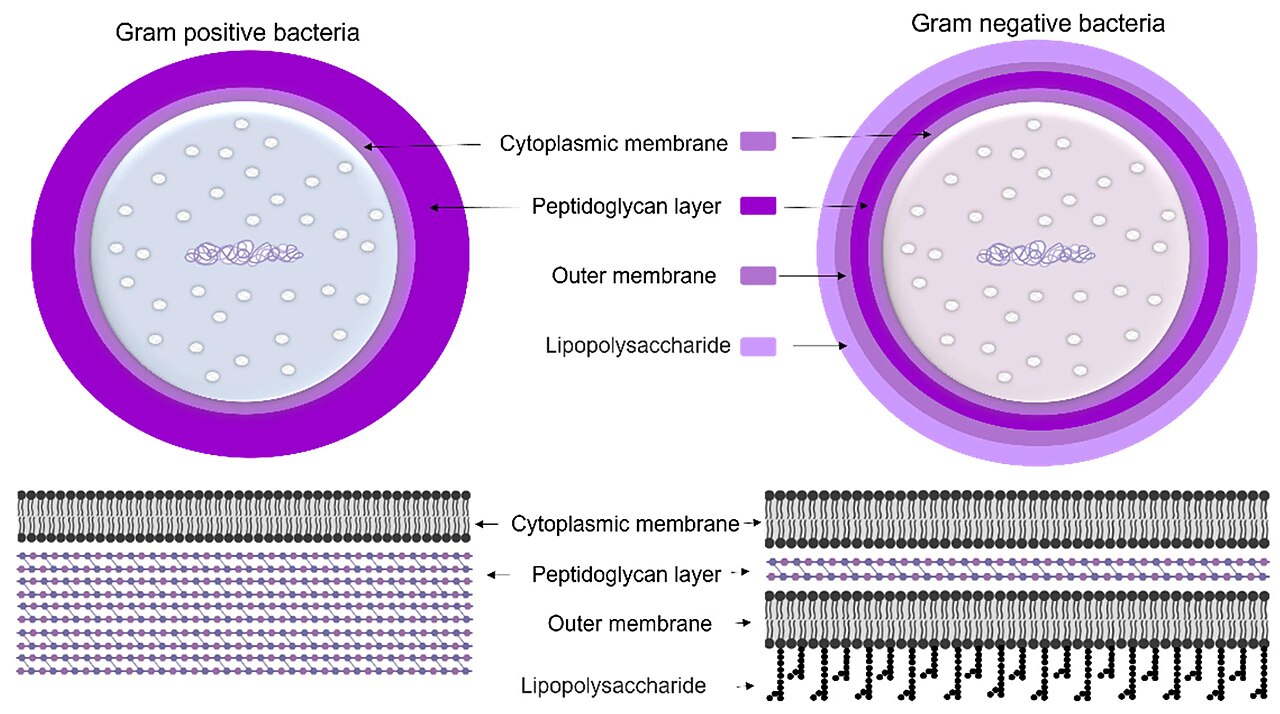 Image: Wikimedia Commons
The ECDC reported in its March 2026 epidemiological update that the Cabo Verde-linked outbreak had generated over 1,000 confirmed and possible cases by the time of publication, with surveillance data indicating that new cases were still being identified. The pathogen driving the majority of reports is Shigella — a genus of bacteria that causes dysentery-like illness, typically characterized by bloody diarrhea, fever, and abdominal cramping. Salmonellosis, which produces similar but often milder gastrointestinal symptoms, has also been documented among returning travelers, suggesting a multi-pathogen contamination event rather than a single point source.
Shigellosis can range from self-limiting diarrheal illness to life-threatening dysentery, particularly in vulnerable individuals. The incubation period is typically one to four days after exposure, meaning many travelers would have fallen ill either during their stay or shortly after returning home — a timeline consistent with the geographic distribution of cases across multiple European countries and North America.
On the influenza front, CDC surveillance data analyzed by CIDRAP indicate that outpatient visits for flu-like illness have dropped below the national baseline in the United States, a key epidemiological threshold marking the effective tail end of a flu season. Weekly hospital admissions for influenza continue their downward trajectory. However, 4 additional pediatric influenza deaths were reported in the most recent surveillance week, bringing sustained attention to the disproportionate toll flu exacts on children even in seasons considered moderate in overall severity. The cumulative pediatric death toll for the season has not been fully enumerated in the sources available, but the weekly additions signal that the season is not yet fully resolved.
Affected Regions
The Cabo Verde outbreak cuts across multiple health systems simultaneously. Cases have been confirmed or suspected in several EU/EEA member states, in the United Kingdom, and in the United States — a geographic spread that reflects Cabo Verde’s popularity as a tourist destination, particularly for European travelers seeking Atlantic beach holidays in the boreal winter and spring. The ECDC has not published a country-by-country breakdown of case totals in its March update summary, but the multi-jurisdictional nature of the cluster has prompted cross-border coordination among national health authorities.
Cabo Verde itself — a cluster of ten volcanic islands with a population of roughly 600,000 — has a tourism sector that forms a critical pillar of its economy. The outbreak’s source has not been definitively attributed to a specific resort, water system, or food supplier in the available reporting, but the combination of Shigella and Salmonella cases suggests environmental or food-handling conditions at one or more points in the visitor accommodation or food service chain.
In the United States, the influenza burden is broadly national in distribution, though no specific regional concentration was cited in the most recent CIDRAP summary. The medetomidine alert — discussed further below — pertains specifically to New York City’s illicit drug supply.
Risk Assessment
 Image: Wikimedia Commons
For travelers who have recently returned from Cabo Verde and are experiencing gastrointestinal symptoms — particularly bloody diarrhea, high fever, or severe abdominal pain — prompt clinical evaluation is warranted. Shigellosis is transmitted via the fecal-oral route, which means person-to-person spread within households and care settings is a genuine secondary risk, especially where hygiene practices are inconsistent. Clinicians seeing patients with recent travel to Cabo Verde should consider shigellosis in their differential diagnosis even in the absence of classic dysentery, as presentations can vary.
The antimicrobial resistance profile of circulating Shigella strains is a consideration that the ECDC has flagged in prior advisories on travel-associated shigellosis. Some strains have shown resistance to first-line antibiotics including fluoroquinolones and azithromycin, which complicates treatment decisions and underscores the importance of laboratory confirmation and susceptibility testing where resources allow.
On the influenza side, the declining trajectory reduces broad population risk for the coming weeks, but nursing home residents and elderly populations remain acutely vulnerable during the trailing phase of flu season. A study published via CIDRAP on April 1 found that administering oseltamivir (Tamiflu) to at least 70% of nursing home residents within 2 days of a detected outbreak was associated with significantly fewer hospitalizations. The finding reinforces existing guidance but adds quantitative precision: coverage and speed both matter independently, and suboptimal performance on either dimension meaningfully increases hospitalization risk in this age group.
A separate, non-infectious public health concern has emerged in New York. From mid-2024 through 2025, medetomidine — a veterinary sedative not approved for human use — was identified in 25% of opioid samples analyzed in the city, with a peak of 44% of samples containing the substance in May 2025. Medetomidine does not respond to naloxone (Narcan), the standard opioid reversal agent, which means overdose scenarios involving the adulterant may be more difficult to manage in emergency settings. While this is not a communicable disease outbreak in the traditional sense, it represents a significant and fast-moving public health emergency for harm reduction and emergency medicine practitioners.
Prevention & Response
For travelers with planned trips to Cabo Verde, the ECDC advises standard food and water safety precautions: consuming only commercially bottled water or water that has been boiled, avoiding raw or undercooked shellfish, and maintaining rigorous hand hygiene. Anyone who develops gastrointestinal symptoms during or after travel should contact a healthcare provider and disclose their travel history. Those who are already symptomatic should take particular care to avoid preparing food for others or sharing bathroom facilities without thorough disinfection, given the ease of fecal-oral transmission.
National health authorities in affected EU/EEA states, the UK, and the US are conducting contact tracing and enhanced surveillance for additional cases. The ECDC has issued an epidemiological update and is coordinating with the affected countries’ national focal points. No travel advisory suspending tourism to Cabo Verde has been issued by the bodies cited in available reporting.
On the institutional influenza front, the nursing home antiviral study provides actionable guidance for long-term care facility administrators and medical directors: establish clear outbreak detection protocols, maintain stockpiles of oseltamivir, and rehearse the logistics of rapid, high-coverage distribution before the next flu season begins in autumn 2026.
The broader policy backdrop presents a challenging picture for sustained public health preparedness. The Trump administration’s fiscal year 2027 budget proposal reportedly seeks to reduce NIH funding by $5 billion, a cut that would, if enacted, constrain research capacity across infectious disease surveillance, vaccine development, and antimicrobial resistance programs — precisely the scientific infrastructure needed to respond to events like the Cabo Verde outbreak and to generate the nursing home antiviral evidence summarized here.
Growing vaccine hesitancy is adding a separate layer of preventable risk. A rising number of parents are declining vitamin K injections for newborns — a practice entirely distinct from immunization but now caught in the same cultural current of distrust toward routine clinical interventions. Vitamin K deficiency bleeding is a rare but severe and preventable condition in infants; refusal of the shot meaningfully elevates the risk of intracranial hemorrhage. Public health communicators and pediatric providers face the task of disaggregating these decisions for parents without dismissing the underlying anxieties driving them.
Sources
- European Centre for Disease Prevention and Control (ECDC). Epidemiological update: Shigellosis and other gastrointestinal infections in travellers returning from Cabo Verde. March 18, 2026.
- CIDRAP (Center for Infectious Disease Research and Policy). CDC data suggest flu is on the way out. April 3, 2026.
- CIDRAP. Speed, scale of antiviral prevention may cut hospitalizations during flu outbreaks in nursing homes. April 1, 2026.
- CIDRAP. Public Health Alerts: Emergence of medetomidine in New York’s illicit drug supply. April 10, 2026.
- CIDRAP. Amid rising vaccine hesitancy, more parents reject vitamin K shots. April 1, 2026.
- CIDRAP. Trump administration seeks more funding cuts for NIH. April 6, 2026.